Notice: General educational content only. Not medical advice, diagnosis, treatment, or a substitute for care from a licensed healthcare provider. No specific outcomes are promised.
Variety framework

Designing plates with intentional diversity

Food variety supports a more interesting relationship with eating. Our consultants explain rotation methods that respect your culture, budget, and time—without labeling foods as good or bad.

Request a consultation
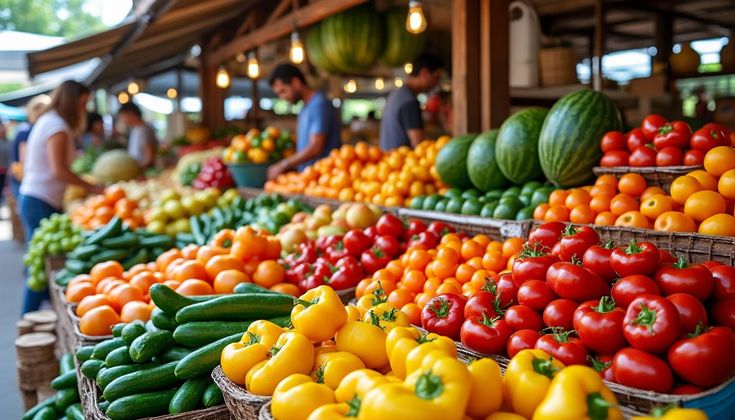
Colorful fresh produce displayed at a market stand

Color mapping

Aim to include multiple natural colors across the day. This visual method helps you notice gaps before they become habits.

Texture pairing

Combine crunchy, soft, and hearty elements so meals feel satisfying without relying on single-ingredient dishes.

Core pillars

Four foundations of nutritional variety

01

Protein sources

Rotate legumes, poultry, fish, eggs, dairy, and plant-based options across the week. We discuss preparation methods and pairing ideas—not portion prescriptions for specific health conditions.

02

Whole grains and starches

Introduce quinoa, barley, brown rice, oats, and root vegetables in alternating cycles so energy sources stay varied and culturally relevant to your household.

03

Produce breadth

Leafy greens, cruciferous vegetables, berries, citrus, and frozen options each offer distinct flavors. Seasonal shopping lists keep costs manageable.

04

Fats and flavor accents

Olive oil, nuts, seeds, herbs, and spices add depth without repeating the same dressing daily. Small shifts create noticeable variety.

Comparison

Repetitive vs. varied weekly patterns

Aspect Low variety week Varied week
Produce Same salad greens daily Rotating greens, roots, and frozen blends
Grains Identical breakfast cereal Oats, millet, or whole-grain toast on alternate days
Protein Single source at dinner Fish, beans, or eggs distributed across meals
Snacks One repeated item Nuts, fruit, yogurt, or hummus on rotation
Seasonal rhythm

Aligning variety with the calendar

Ohio seasons influence what is affordable and fresh. Spring emphasizes tender greens; summer brings stone fruit and tomatoes; autumn favors squash and apples; winter suits stored roots and frozen produce.

Our consultants help you build a twelve-month rotation chart that respects availability rather than forcing imported items year-round.

Mindful eating

Pacing change without overwhelm

Introduce one new ingredient per week rather than overhauling every meal at once. Sustainable variety grows from curiosity, not restriction.

1 New item per week suggested
3 Meals to test before deciding
7 Day reflection window
0 Pressure metrics tracked

Pantry diversification strategies

Stock alternate grains, canned beans, and spice blends so weeknight cooking stays flexible. Label shelves by category to spot repetition quickly.

Starter swap list

White rice → brown rice or farro. Butter on toast → nut butter or avocado. Croutons → roasted chickpeas. These swaps are suggestions for exploration only.

Households

Variety when cooking for others

Pick-one bowls

Let family members choose toppings from a shared base. Everyone eats the same meal structure with personalized finishes.

Side-by-side testing

Serve a familiar main with one small new side. Reduces resistance while still expanding the collective ingredient list.

Shared shopping

Include household members in selecting one new produce item per trip. Ownership increases willingness to try.

Educational use only

  • Variety frameworks on this page are for general meal-planning education. They are not individualized medical nutrition therapy.
  • We do not claim that changing ingredients will produce specific health, weight, or symptom outcomes.
  • For allergies, chronic conditions, or therapeutic diets, consult a licensed healthcare professional in your state.

Build your variety plan with educational support

Our Fairfield team offers structured non-clinical sessions tailored to your kitchen habits. Fees are confirmed before booking.